Blog · October 27, 2026 · Solomia Meklysh
Moving to the DMV?
Start here
Washington, DC, Maryland, and Virginia are one metro area and three different sets of rules, taxes, schools, and commutes. Pick in the right order — jurisdiction, commute, neighborhood — and the rest of the move gets much simpler.
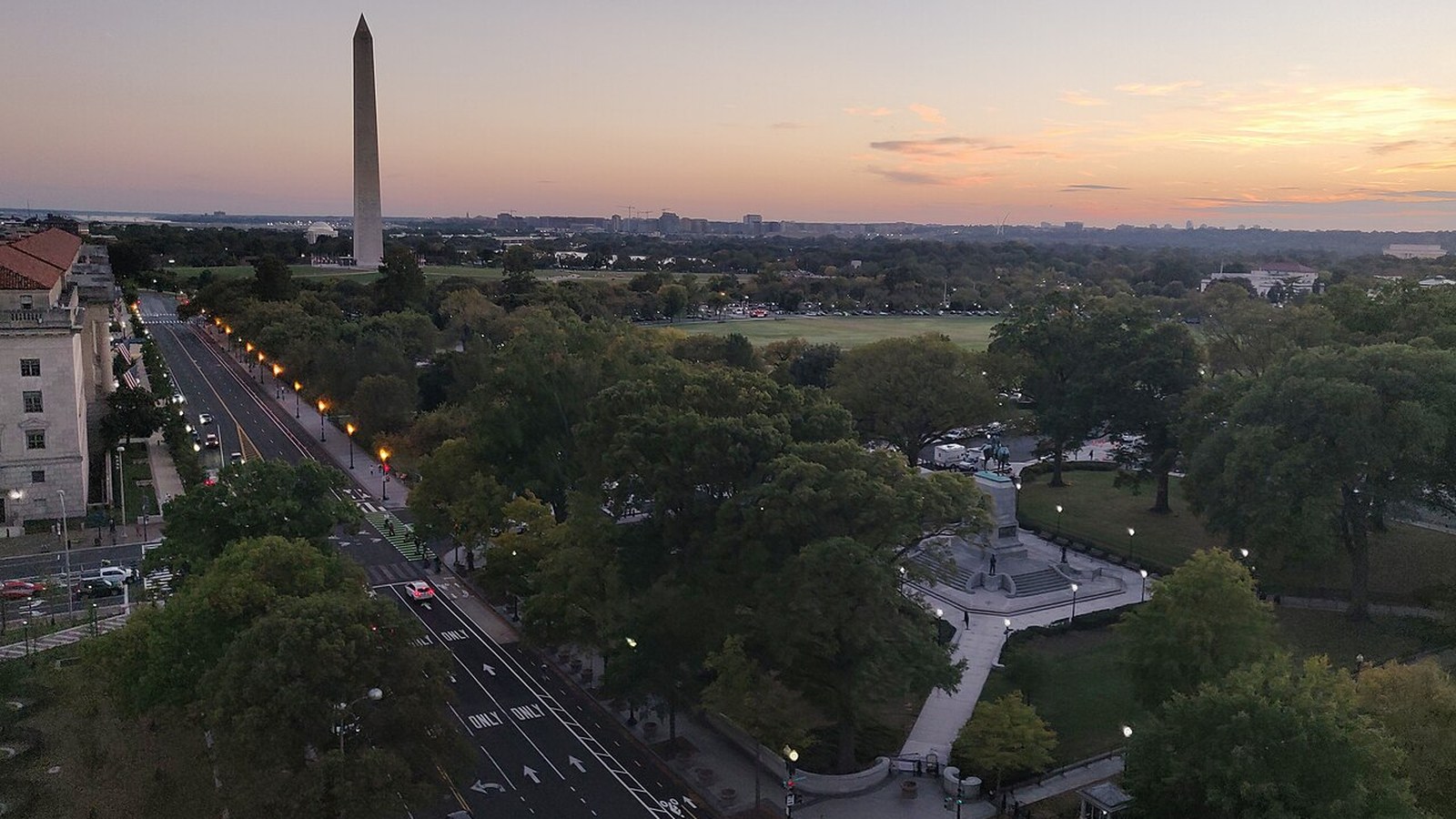
First, pick your jurisdiction
People say “the DMV” like it is one place. It is not. The District is a city with its own government. Maryland and Virginia are states made of counties and independent cities, each with its own property taxes, car registration, and school system. Where you live decides all of that, so it is worth settling before you fall for a specific house.
In broad strokes: DC puts you in the city itself — rowhouse streets, condos, and walkable neighborhoods. Maryland runs from close-in suburbs like Bethesda, Silver Spring, and Rockville out to places like Frederick and Annapolis. Virginia runs from Arlington and Alexandria, right across the river, out through Fairfax County to Great Falls, Reston, and beyond. None of those is “better” in the abstract. They are different lives, and the right one depends on your commute, your budget, and how you actually spend your days.
Then pick your commute anchor
This is the mistake I see most often: people pick a house first and discover the commute second. Flip it. Decide where you will go most days — an office, a campus, a base — and work outward from there.
The Metro is the backbone: the Red, Orange, Silver, Blue, Yellow, and Green lines, plus MARC and VRE commuter rail and the Beltway (I-495) for drivers. Every one of the 94 neighborhood guides on this site gives a downtown DC commute number for that neighborhood, so you can compare real numbers instead of guessing. If a neighborhood is not on a Metro line, read its guide for what the drive and bus options actually look like.
Five questions that narrow it fast
- Where do you go most days, and how do you want to get there? Metro, car, or a mix?
- What does your monthly budget need to cover? Run the numbers on the mortgage calculator before you tour, not after.
- How much space do you actually use? A condo near a station and a house with a yard are both good answers — for different weeks of your life.
- Walkable streets or quiet streets? Both exist all over the DMV. Be honest about which one you will enjoy on a Tuesday night, not just a Saturday.
- What do schools need to look like for your address? School assignments, boundaries, programs, and third-party ratings may change. Confirm current assignments and enrollment requirements directly with the school district for the specific property address.
A starter shortlist
Use this as a starting point, then test it with the Compare tool, which puts any three neighborhoods side by side:
- Arlington, Clarendon, and Ballston — Orange and Silver Line corridors, walkable main streets, close to DC.
- Capitol Hill, Georgetown, and Dupont Circle — city living, rowhouse streets, and neighborhoods you can explore on foot.
- Bethesda, Silver Spring, and Rockville — Red Line suburbs in Maryland, each with its own downtown.
- Old Town Alexandria and McLean — Virginia options on opposite ends of the feel spectrum, from historic streets to larger lots and a quieter pace.
Rent or buy first?
Not everyone should buy on arrival, and there is no shame in renting for a year while you learn the area. The honest question is how long you will stay and what the monthly math looks like. The rent vs. buy calculator finds your breakeven year for a specific price and rent, so the decision is a calculation, not a guess. If you do buy, the down payment assistance guide covers programs in DC, Maryland, and Virginia — many newcomers do not know they exist.
The buying process, step by step
- Get pre-approved, so you know your real budget before you tour.
- Tour in person or by live video — photos alone do not tell you about light, noise, or the street.
- Make an offer with a clear picture of inspections, appraisal, and closing costs.
- Inspect, appraise, and review everything in writing before closing day.
- Close, get the keys, and change the locks.
A relocation checklist
- Before the move: pre-approval, a shortlist of neighborhoods, and a tour plan that groups showings by area, not by listing site.
- Moving week: utilities, internet, car registration and license transfer for your new state or district, and a change of address.
- First month: register with the school district if that applies, find your Metro stop, your grocery store, and one local spot that makes the new place feel like home.
Three traps to avoid
- Wire fraud. Never wire closing funds from emailed instructions alone. Call a number you already trust to confirm, every time.
- Assuming a school assignment. Boundaries change. Confirm for the specific address, in writing, with the district.
- Buying the photos. A wide-angle lens hides a lot. Tour it, or have someone you trust walk it live with you.
Your next move, thoughtfully guided
If you are moving to the DMV and want a shortlist built around your commute and budget, tell me what you are looking for. I will send back neighborhoods worth touring — and the ones to skip — before you spend a weekend driving around.